Dacris.mt and gastroart.ro recommend Henny Penny holding cabinets
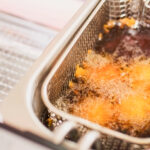
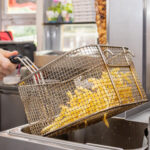
Whether it’s chicken, fish, shrimp, or mozzarella sticks, customers generally expect to receive them just as fresh. We fry food specifically to keep the inside moist and juicy and (most importantly) to add that crispy, golden, delicious crust on the outside.
Perfecting the crispy exterior of each dish sometimes takes constant experimentation, so it’s understandable that operators might hesitate to use a holding cabinet if they think it will diminish the quality of their hard-won fried food. But is that actually the case?

Yes, holding fried products can be a bit trickier, but it can absolutely be done successfully. In fact, a holding unit can be more crucial than some operators realize, especially for fried products. By setting up a proper holding schedule, operators can eliminate consistency issues and improve service flow. Once the ideal holding temperature and humidity level have been determined for a product, you can be confident that every customer will always receive the same quality dish.
To help you find the ideal holding setup for fried foods, we wanted to offer a few tips that should give operators confidence about maintaining that perfect crunch, even after some time in the holding cabinet.
Tip 1: Hold at a Higher Temperature
We believe too many operators, out of fear of drying out their food, insist on lower holding temperatures when the opposite is actually the better practice. A higher holding temperature creates more moisture, also known as the juices in meat products. After the initial cooking, as the meat rests, those juices settle. Even worse, if the temperature drops too low, the taste and appearance start to feel like a day has passed since cooking, rather than staying hot, crispy, and juicy. The food won’t be dry, but it will lose its flavor.
By holding food at a higher temperature, operators can extend that dish’s holding time. This works for a variety of other proteins as well, such as large pork or beef roasts, barbecue, and roasted poultry like chicken or turkey.

Tip 2: Know Your Holding Times
Learn which dishes hold better than others, and which ones can maintain quality for longer. For example:
– bread-based products hold better than breaded ones
– bone-in items hold better than boneless ones
– larger items hold more easily and for longer than smaller ones
– lightly fried products hold longer than deeply fried, extra-crispy ones.
Tip 3: Plan Ahead
Holding shouldn’t be an afterthought. In fact, the operators who use holding best manage the entire recipe with it in mind. A dish’s quality and flavor should only be judged final after it has gone through its designated holding period. That might mean testing different types of flour to see which one holds up and tastes best once finally served. For instance, operators may find that alternatives like rice flour or potato starch, for certain dishes, produce a crispier, tastier product after holding than one made with wheat flour.
Tip 4: Yes, Equipment Matters!
There are several types of holding cabinets available to operators, and in most cases, you get what you pay for:
Option 1: Basic cabinets provide a heat source and will keep food warm, but that’s it. With no way to raise or lower humidity, they aren’t a viable option for fried products.
Option 2: These units consist of the basic cabinet plus a passive water pan. They combine a heat source and a water source, giving you the ability to generate steam. This is definitely a step up, but operators still have very few ways to control the environment.
Option 3: Humidified cabinets come with a dedicated heat source for the cabinet and a water pan with its own heat source, giving operators the ability to independently adjust heat and humidity levels. However, this still relies on the operator constantly monitoring and adjusting things.
Option 4: Fully automatic cabinets rely on a closed-loop system that automatically checks and adjusts humidity and temperature levels to continuously hold the same product consistently. Once the best specifications for each product have been determined, all that’s left to do is set it and forget it.
Holding fried products can feel like a recipe for disaster to some, especially if it’s done blindly or without the right tools. But when holding is established as a standard procedure – where temperature and humidity levels are always programmed and precise, made possible through design and technology – the holding cabinet can become the real hero of your frying program.