The foodservice industry is constantly evolving, and in 2025, consumer expectations seem higher than ever. From advanced technology for fast ordering, to personalized menus and sustainable practices, restaurants and cafés need to adapt in order to deliver experiences that build customer loyalty and improve satisfaction.
Today’s customers no longer choose a venue just for the food, but for the whole experience: how they’re greeted, the interior design, how quickly they’re served, and the quality of the ingredients used. As digitalization becomes an industry standard and sustainability becomes a global concern, the restaurants that embrace these changes will be the ones that thrive.
In this article, we look at the most important trends shaping the foodservice customer experience in 2025, along with practical recommendations for restaurants and cafés that want to stay competitive. We’ll also include concrete examples and innovative solutions for improving customer interaction, so that every visit to your establishment becomes memorable.
1. Personalization and Digitalization: Customers Want a Unique Experience
In 2025, personalizing the customer experience is becoming a decisive factor in a restaurant’s or café’s success. Customers no longer just want a place to eat – they want services tailored to their preferences, without having to repeat the same requests every time. From interactive digital menus to personalized loyalty programs, restaurants need to invest in modern technology that helps them build stronger connections with their customers. Here are a few ideas for taking the customer experience to the next level in your venue:
- Mobile apps and fast-ordering solutions – Customers prefer to order and pay directly from their phone, cutting down on wait times.
- Digital menus with personalized recommendations – Based on each customer’s order history and dietary preferences.
- Automation in order management – Choose modern HoReCa solutions that optimize workflow and improve kitchen efficiency, minimizing customer wait times.
- Chatbots and AI assistance – Provide fast answers to questions about the menu, allergens, or table availability.
Is this investment in digitalization worth it? Well, technology improves the customer experience while also increasing operational efficiency. Restaurants using the latest professional equipment can offer faster, more accurate service, eliminating human error and streamlining the service process.
For example, integrating contactless payment or QR-code ordering makes the experience smoother and more comfortable for customers. And what customer wouldn’t want that?
Restaurants that implement these technology solutions now will gain a major competitive edge, giving customers exactly what they want: speed, efficiency, and a personalized experience.
2. Speed and Efficiency in Service: Nobody Likes to Wait
Consumers are placing even more emphasis on the speed and efficiency of service at restaurants and cafés than ever before. That’s understandable, really – time is precious for everyone, and nobody wants to wait too long to be served. Restaurants that manage to cut wait times while maintaining food quality will find it easier to attract and retain customers. So how can you speed up service at your restaurant or café? Here are a few ideas:
- Order automation – Implementing advanced digital systems reduces human error and speeds up order flow.
- Digital ordering and self-service – Order kiosks and digital menus let customers place orders faster, without waiting for a server.
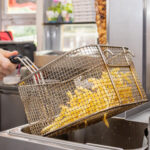
- More efficient kitchens with modern equipment – Using fast fryers and professional grills shortens food prep time.
- Contactless payment and digital wallets – Reducing physical interactions and payment times contributes to a smoother customer experience.
Restaurants that invest in high-performance equipment and automated processes will have a major edge over the competition. For example, HoReCa kitchen systems that include fast ovens and efficient prep stations can cut service time by up to 50%, while still maintaining high quality standards.
3. Healthy Eating and Diverse Dietary Options
In 2025, consumers aren’t just looking for tasty food anymore – they want balanced, healthy dishes tailored to their nutritional needs. Restaurants and cafés that offer varied menus, with options for different eating styles, attract a broader customer base and earn their loyalty.
More and more consumers are paying attention to what they eat, scrutinizing ingredients, product origins, and their health impact. That’s why venues that embrace menu transparency and offer alternatives for every dietary preference have a clear advantage in the market.
What Do Consumers Expect from Restaurant Menus in 2025?
- Healthy, balanced options – Menus that emphasize fresh, natural ingredients, prepared in healthy ways.
- Plant-based and allergen-free alternatives – We’re seeing growing demand for vegan, vegetarian, keto, gluten-free, and dairy-free products.
- Ingredient transparency – Customers want to know exactly what they’re eating, where ingredients come from, and their nutritional benefits.
- Adjustable portions and calorie control – Restaurants offering flexible portion sizes and clear calorie and nutrient information are more highly valued.
What Can You Do to Adapt to These New Trends?
- Diversify your menu with healthy, dietary dishes – Introduce options based on superfoods (broccoli, avocado, quinoa, chia, etc.), plant-based proteins, and gluten-free alternatives.
- Use healthy cooking equipment – Invest in professional grills and air fryers to reduce the use of oil and unhealthy fats.
- Partner with local suppliers – Consistently source fresh, quality ingredients from sustainable suppliers.
- Provide detailed information about dishes – Create an interactive menu that lets customers customize their choices based on their nutritional needs.
Customers see healthy eating as a necessity, not just a trend. That’s why, restaurants that prioritize their customers’ health and offer dishes tailored to their needs will have a clear advantage. Implementing modern equipment, such as professional refrigeration systems, ensures ingredient freshness and helps maintain their quality.
Adaptability: The Key to Success in the Foodservice Industry in 2025
The foodservice industry is transforming quickly, and in 2025, customer experience will be the decisive factor separating successful restaurants and cafés from those that fail to keep up with new demands. Customers are looking for fast, efficient service, innovative technology, sustainability, healthy options, and genuine human interaction.
To stay competitive, restaurants need to invest in high-performance equipment, adopt modern digital solutions, and offer diverse menus capable of meeting every dietary preference. Implementing professional HoReCa solutions will improve both operational efficiency and customer satisfaction.
As consumers become more demanding, the restaurants that adapt to these expectations will manage to stand out and build a community of loyal customers. The future belongs to those who understand that the customer experience isn’t just about food, but about the perfect combination of impeccable service, innovation, and genuine human connection.
Romania’s foodservice industry has enormous growth potential, and 2025 brings valuable opportunities for those who choose to innovate and put the customer first.